It started with a fear of flying
Air Crash DB is run by people who love aviation and used to be afraid of it. We track plane crashes as they happen and keep a record of the ones that changed flying, because understanding accidents is what took our fear away.
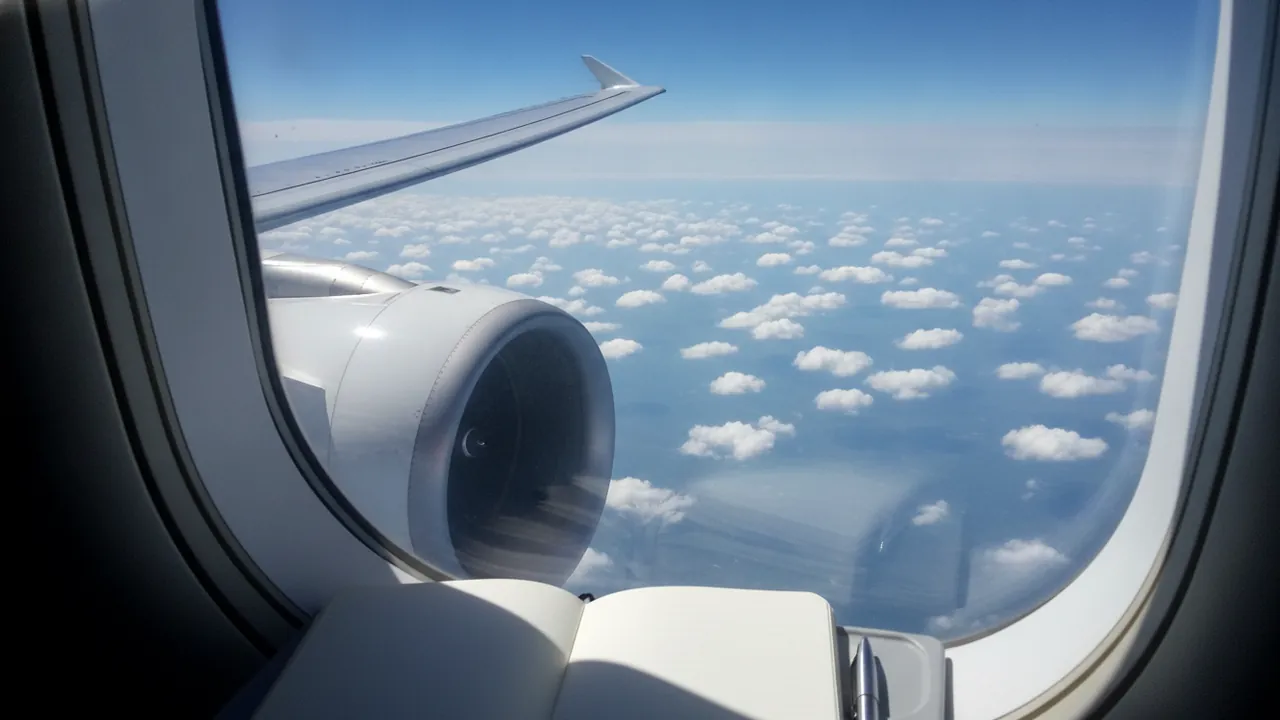
The fear came first
For a long time, flying meant a tight grip on the armrest. Every bump was a problem. Every change in engine sound was the start of something. A news story about a crash on the other side of the world could ruin a trip that was still three weeks away.
The usual advice did not help. "Flying is safer than driving" is true, and it does nothing at 36,000 feet when the seat belt sign comes on. A statistic is hard to hold on to when you do not understand the machine you are sitting in.
So we learned how it all works
What worked was the opposite of looking away. We started reading. How a wing makes lift. Why an airliner can fly on one engine, and climb on it. What turbulence is, and why it worries passengers far more than it worries pilots. What the noises after takeoff are: the gear coming up, the flaps retracting, the engines coming back from takeoff power.
Then came Mayday. If you do not know it, it is the documentary series also shown as Air Crash Investigation, and each episode takes one accident apart from the first warning to the final report. We watched one, then a season, then all of them. It sounds like the worst idea for a nervous flyer. It turned out to be the best one, because every episode ends the same way: investigators find the cause, and something in aviation gets fixed.
After the episodes we went to the source and read the accident reports themselves. A real investigation report is calm. It walks through what happened minute by minute, what failed, and what was changed afterward so it would not happen again. After enough of them you see the pattern: almost every rule, checklist and warning system on a modern airliner exists because of a specific accident that someone studied carefully.
Somewhere in there the fear turned into fascination. We still notice every sound on a flight. Now we know what each one is.
Why we built Air Crash DB
We have been running plane crash sites for more than ten years. The same thing happens after every accident. People search for it, find three headlines that disagree, and have no way to tell which numbers are confirmed. The people most likely to be searching are the ones who are about to fly.
Air Crash DB is our answer to that. When an accident happens we write up what is known: the aircraft, the operator, where it came down, how many people were on board and how many died. We say which facts come from an investigating authority and which come from early reports, and we link to every source. When the preliminary and final reports come out, we update the page.
Alongside the news we are building a record of the accidents that mattered, with the same treatment, and guides to the questions people ask most: how many planes crash a year, why planes crash, and what happens after one.
How we write about accidents
- We do not guess at causes. If investigators have not said it, we do not either.
- We do not use crash-scene shock images. Pictures of aircraft on accident pages are illustrations of the type involved and are labeled that way.
- We name our sources and correct our pages when the official numbers change.
- We do not name victims unless they were public figures already named in the press.
- We are not affiliated with the NTSB, the FAA or any investigation agency.
Pages are written and maintained by the Air Crash DB Editorial team. The details are on the methodology page.
If you are a nervous flyer
You are who we had in mind. Start with safety data for nervous flyers and the plane crash survival rate, which is much higher than most people expect. Skip the crash list until you feel like reading it.
We also make FlyCalm, an iPhone app with guided audio for flight anxiety. It came out of the same story.